
The 5 Hidden Toxins Found in So-Called Natural Home Products
Introduction
Many products marketed as natural home products still contain ingredients that aren’t as safe or “green” as they appear. Because “natural” isn’t a regulated term, brands can include synthetic additives and still label them as eco-friendly or non-toxic.
At Little Mountain Flowers, we learned this firsthand. Our family’s journey toward a healthier home began decades ago, driven by severe sensitivities and allergies. Over time, we became meticulous label readers, ingredient translators, and ultimately, experts in identifying what truly belongs in a healthy home.
What started as a personal necessity became our passion, and eventually, our Botanical Gold Standard. We’ve spent 20 years vetting every ingredient and apply our knowledge to the natural home products, clean skincare products, and botanical body care we curate. Today, we share what we’ve learned so you can easily elevate your home and routines too.
Here are five hidden toxins commonly found in products marketed as “natural” and how to recognize and eliminate them from your home.
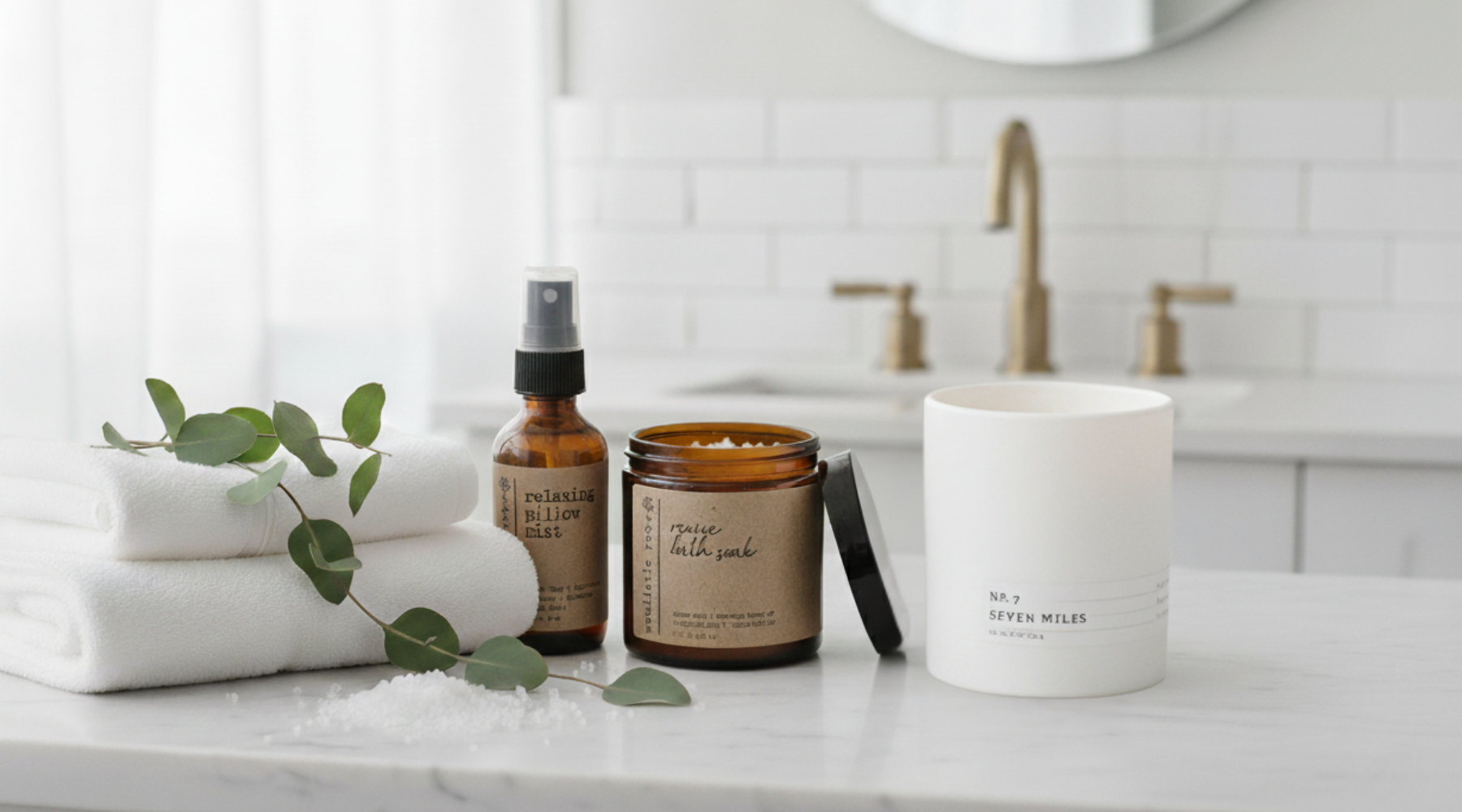
Many of the so-called natural home products lining store shelves still contain hidden toxins that can impact your family’s health and indoor air quality. Ingredients like phthalates, parabens, and harsh sulfates often appear in cleaning supplies, candles, and even clean skincare products marketed as safe.
Through years of experience and our family’s testing, we’ve learned what to look for, and what to avoid. Below are the five toxins we eliminated from our home and body products, so you can confidently identify and choose truly non-toxic cleaning products and body care essentials that align with your health values.
1. Phthalates: The “Fragrance” Disguise & Endocrine Disruptor
What They Are
Phthalates (pronounced THA-lates) are chemicals used to make plastics flexible and to carry synthetic fragrances. Because of trade secret laws, they often hide under the generic term “fragrance” on ingredient lists, even in products labeled “natural.”
Why We Avoid Them
Research links phthalates to endocrine disruption and allergic reactions. For our family, synthetic fragrances were major triggers for sensitivities, so phthalate-laden products became an immediate no-go.
Your Action
Look for “phthalate-free fragrance” or products scented with pure essential oils. This is a must for non-toxic cleaning products and natural body care products alike.
2. Parabens: The Preservative Problem
What they are
Parabens (e.g., methylparaben, propylparaben, butylparaben) are common preservatives found in everything from cosmetics to cleaning sprays. They extend shelf life by preventing bacterial growth.
Why we avoid them
Parabens can mimic estrogen in the body, leading to potential endocrine disruption. While the research continues, our family’s sensitivities taught us to err on the side of caution.
Your Action
Check the labels of your lotions, creams, and clean skincare products for ingredients ending in -paraben. Choose paraben-free skincare and natural skin care brands with gentle, alternative preservation systems.
"Parabens can modulate the hormonal and immune orchestra of the body. Recent findings have correlated paraben use with hypersensitivity, obesity, and infertility."
National Institutes of Health
3. Formaldehyde-Releasing Preservatives: Hidden Off-Gassers
What they are
You might not see “formaldehyde” on a label, but it hides in ingredients that slowly release it over time—like DMDM hydantoin, imidazolidinyl urea, diazolidinyl urea, and quaternium-15.
Why we avoid them
Formaldehyde is a known human carcinogen and common allergen. Even small exposures from these “releasers” can cause irritation or respiratory issues. For sensitive households, it contributes to poor indoor air quality.
Your Action
Scrutinize cleaning products, laundry detergents, and clean beauty skincare items. Choose brands committed to formaldehyde-free and non-toxic formulations for a healthier home environment.

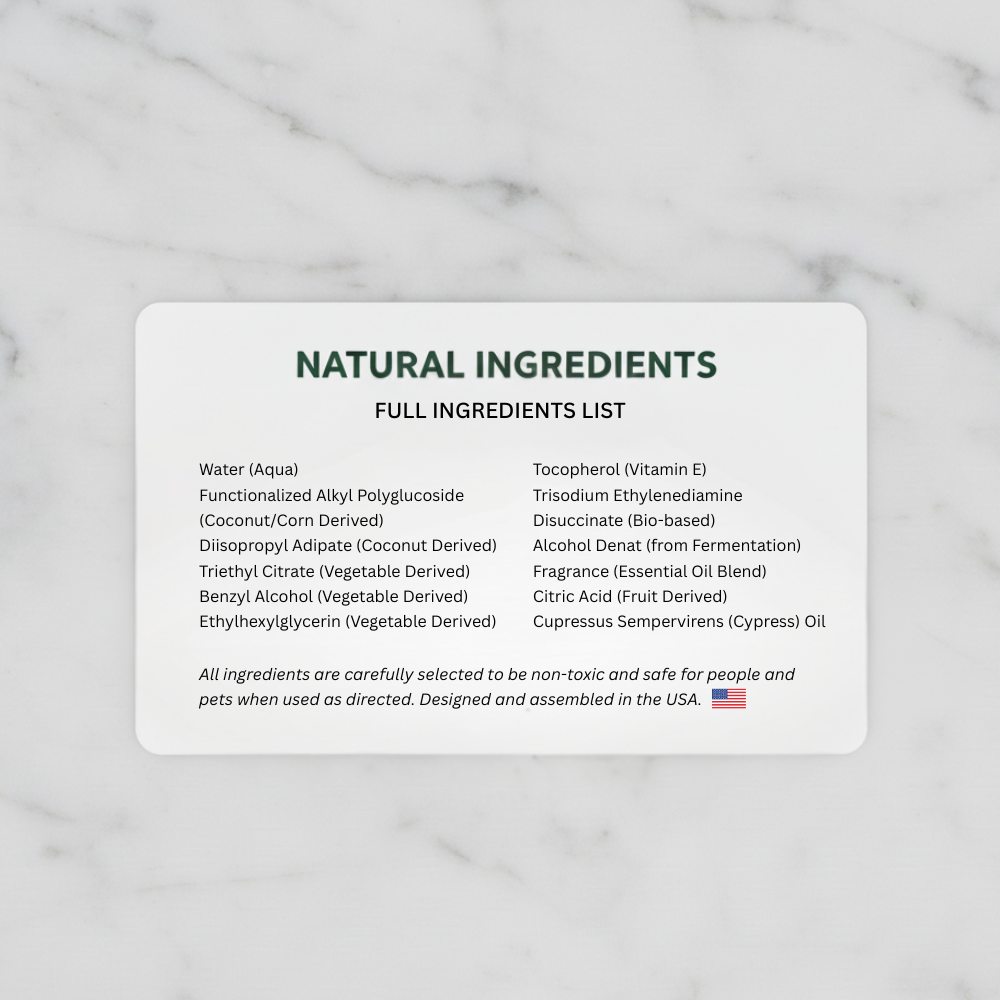
4. Synthetic Dyes: Hidden Colorants with a Cost
What they are
Artificial dyes are often derived from petroleum and used to color cosmetics, soaps, and home products.
Why we avoid them
Synthetic dyes can trigger allergic reactions and irritation, especially for those with sensitivities. They add color—but not value—to your routine.
Your Action
Look for clean skincare brands and natural body care products that use plant-based pigments or mineral colorants.
5. Sodium Lauryl Sulfate (SLS) & Sodium Laureth Sulfate (SLES): The Harsh Foamers
What they are
These surfactants create that satisfying lather in shampoos, soaps, and cleaning products.
Why we avoid them
Though widely used and often accepted, SLS/SLES can strip natural oils and irritate sensitive skin. Our family noticed dryness and irritation, so we switched to gentle, plant-derived cleansers.
Your Action
Look for sulfate-free shampoo, body wash, and non-toxic cleaning sprays. There are many natural skincare products with mild, botanical surfactants that cleanse without causing irritation.
"The highest risk of using products with SLS and SLES is irritation to your eyes, skin, mouth, and lungs. For people with sensitive skin, sulfates may also clog pores and cause acne." — Healthline
Vetted by Our Family, Ready for Yours
Navigating the world of ingredients can be overwhelming. That's why at Little Mountain Flowers, we apply our 20 years of meticulous vetting to every single product. From the non-toxic, sustainable home essentials to the therapeutic body care, each item meets our Botanical Gold Standard.
We want you to shop with confidence, knowing that if it's in our shop, it's been vetted by a family who understands the impact of clean ingredients on a healthy life.
Ready to transform your home with tested natural products?